

Bu siteyi kullanarak Gizlilik Politikası ve Kullanım Şartları'nı kabul etmiş olursunuz.
Kabul et
Auto World DergisiAuto World DergisiAuto World Dergisi
  • Haberler
  • Otomobil
  • Fuar & Röportajlar
  • Kampanyalar
  • Dernek
  • Yedek Parça
  • Yeni Ürünler
  • E-DergiYeni
  • News
Bildirimler
Yazı Tipi BoyutlandırıcıAa
Auto World DergisiAuto World Dergisi
Yazı Tipi BoyutlandırıcıAa
  • Haberler
  • Kapmanyalar
  • Otomobil
  • E-Dergi
Ara
  • Haberler
  • Otomobil
  • Fuar & Röportajlar
  • Kampanyalar
  • Dernek
  • Yedek Parça
  • Yeni Ürünler
  • E-DergiYeni
  • News
Bizi takip edin
News

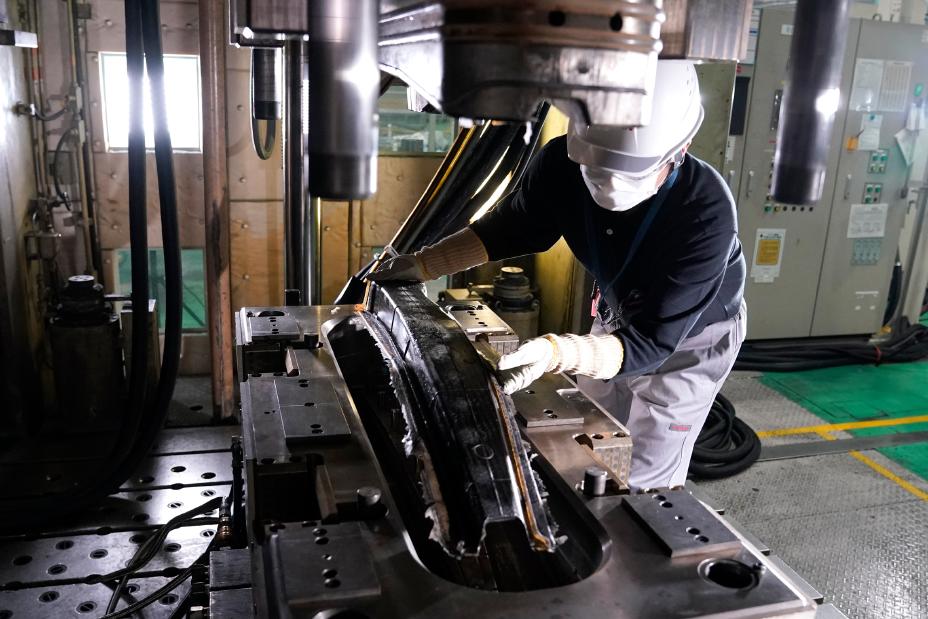
Nissan achieves breakthrough in carbon fiber parts production

3 Eylül 2020
Paylaş
Bu haberin okuma süresi 2 dakikadır.
PAYLAŞ

A material used in airplanes, rockets and sports cars may find its way into more mass-market cars thanks to a new production process developed by Nissan.

The new process speeds up the development of car parts made from carbon fiber reinforced plastics, or CFRP. Lightweight yet extremely strong, the material can be used to make cars that are safer and more fuel efficient. It can also lower a car’s center of gravity when applied to upper body parts, making it more agile and exciting to drive.

Nissan aims to use the new process to mass-produce CFRP parts and introduce them in more cars for customers. The innovation can cut the lead time to develop such components by as much as half, and cycle time for molding by about 80%, compared with conventional methods.

While the benefits of carbon fiber have long been known, it’s expensive compared with other materials such as steel. Along with the difficulty in shaping CFRP parts, this has hampered the mass production of automotive components made from the material.

Nissan found a new approach to the existing production method known as compression resin transfer molding. The existing method involves forming carbon fiber into the right shape and setting it in a die with a slight gap between the upper die and the carbon fibers. Resin is then injected into the fiber and left to harden.

Nissan’s engineers developed techniques to accurately simulate the permeability of the resin in carbon fiber, while visualizing resin flow behavior in a die using an in-die temperature sensor and a transparent die. The result of the successful simulation was a high-quality component with shorter development time.


Bu haberler ilginizi çekebilir

Parkopedia Reshuffles Leadership to Drive AI Growth
Helderburg Reinvents the Defender with Bond-Inspired D110
FIAT Accelerates Across Europe with 25% Sales Growth
Industry Talks Address Rising Accident Repair Costs
Stellantis closed the first quarter of 2026

Aylık Haber Bültenine Kaydolun

Gelişmeleri takip edin! Güncel haberleri doğrudan e-posta kutunuza alın.
Kaydolmakla, Kullanım Şartlarımızı kabul etmiş ve Gizlilik Politikamızda belirtilen veri uygulamalarını onaylamış olursunuz. İstediğiniz zaman aboneliğinizi iptal edebilirsiniz.
Bu Haberi Paylaşın
Facebook Bağlantıyı Kopyala Yazdır

Dergimiz Yayında

Okumak için Tıklayın
FacebookBeğen
InstagramTakip et
YouTubeAbone Ol
Türkiye’nin ve dünyanın otomotiv gündemini tek bir noktada toplayan Auto World Dergisi; test sürüşleri, güncel kampanyalar ve sektörel analizlerle dijital yayıncılığa yeni bir soluk getiriyor. Otomotiv dünyasındaki en son gelişmeleri kaçırmamak için bizi takipte kalın.
  • Künye
  • İletişim
  • Hakkımızda
  • Son Sayımız
  • Gizlilik Politikası
  • Reklam
  • Abonelik
  • Dergi arşivi
  • Fuar Takvimi
  • Kullanım Şartları
banner
Tekrar hoşgeldiniz!

Hesabınıza giriş yapın

Kullanıcı Adı veya E-posta Adresi
Şifre

Şifrenizi mi unuttunuz?